Wheelchairs are a cornerstone in the lives of many individuals with mobility impairments, offering not just movement but independence, dignity, and participation in society. The evolution of wheelchairs has been a testament to human ingenuity, transforming from the rudimentary wheeled chairs of the past to the sophisticated devices of today. This extensive guide explores the myriad of wheelchair types available, providing a deep dive into each category to assist users, caregivers, and healthcare professionals in making informed decisions.
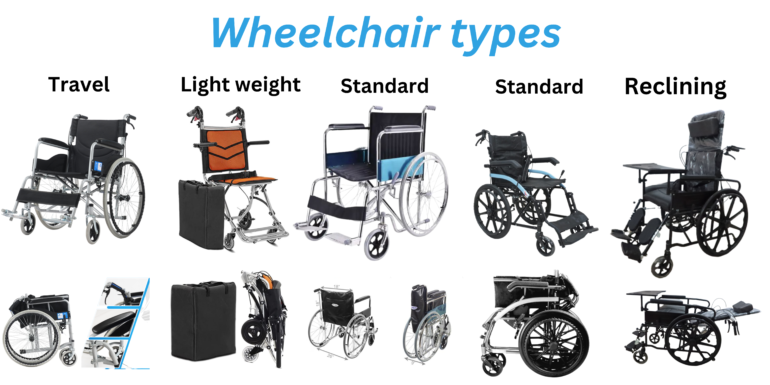
Manual Wheelchairs: The Foundation of Mobility
Manual wheelchairs are propelled by the user's strength or with assistance from a caregiver. They are the oldest type of wheelchair and remain popular due to their simplicity and reliability.
Standard Wheelchairs
Standard wheelchairs are the most commonly recognized type. They typically feature:
- A sturdy frame, usually made of steel.
- Swing-away footrests for ease of entry and exit.
- Fixed or detachable armrests. These wheelchairs are best suited for temporary mobility issues or for those who do not need to use a wheelchair frequently.
Lightweight Wheelchairs
Lightweight wheelchairs are a step up in terms of mobility and comfort. They offer:
- Frames made from aluminum, making them lighter than standard models.
- Increased maneuverability and ease of transport.
- Customizable options such as adjustable backrests and seat widths. They are ideal for users who have some upper body strength and seek more independence.
Ultra-Lightweight Wheelchairs
For the active individual, ultra-lightweight wheelchairs provide:
- High-grade materials like titanium or carbon fiber.
- Custom fitting for optimal comfort and performance.
- Options for sport and competition use. These wheelchairs are tailored for long-term use and can be fine-tuned to the user's body and mobility needs.
Sports Wheelchairs
Sports wheelchairs are designed for athleticism and competition. They feature:
- Aerodynamic designs for optimal speed and agility.
- Reinforced frames for durability in sports like basketball, tennis, and racing.
- Cambered wheels for better stability during quick turns and maneuvers. These specialized wheelchairs allow athletes to compete at the highest levels and enjoy sports recreationally.
Electric Wheelchairs: The Revolution of Power
Electric or power wheelchairs represent a leap forward in wheelchair technology, providing mobility to those without the physical ability to propel a manual wheelchair.
Rear-Wheel Drive Wheelchairs
Rear-wheel drive models are the traditional power wheelchair, known for:
- Stability at higher speeds, making them suitable for outdoor use.
- A smoother ride over rough terrain.
- Being the preferred choice for many long-term users due to their drive performance.
Mid-Wheel Drive Wheelchairs
Mid-wheel drive wheelchairs are the power wheelchair of choice for indoor maneuverability. They offer:
- The tightest turning radius, ideal for navigating narrow spaces.
- Extra sets of wheels for added stability.
- Intuitive driving experience, with the drive wheel located directly beneath the user.
Front-Wheel Drive Wheelchairs
Front-wheel drive wheelchairs provide:
- The ability to climb over small obstacles, such as curbs.
- A smoother transition over uneven surfaces.
- A unique balance that some users prefer for specific activities.
Specialized Wheelchairs: Customized Comfort and Care
Specialized wheelchairs cater to users with particular needs that standard wheelchairs cannot meet.
Reclining and Tilt-in-Space Wheelchairs
These wheelchairs allow for various recline and tilt positions, offering:
- Pressure relief for users who sit for extended periods.
- Improved comfort and circulation.
- Options for users with orthostatic hypo-tension or those who require frequent repositioning.
Standing Wheelchairs
Standing wheelchairs are a revolutionary design that allows users to stand, providing:
- Weight-bearing opportunities, essential for bone health.
- The ability to interact with others at eye level.
- Enhanced independence and access to high places.
All-Terrain Wheelchairs
All-terrain wheelchairs are built to handle rugged outdoor environments with features like:
- Oversized wheels or tracks for sand, gravel, and off-road conditions.
- Durable frames and suspension systems.
- The ability to traverse through water, mud, and uneven landscapes.
Pediatric Wheelchairs: Growing with the User
Pediatric wheelchairs are specifically designed for children, taking into account their growth and developmental needs.
Grow-with-Me Wheelchairs
These wheelchairs can be adjusted in size as the child grows, featuring:
- Extendable frames and adjustable seating systems.
- Designs that accommodate both the child's comfort and the caregiver's convenience.
- A range of accessories to support various activities and postures.
Stroller-Style Wheelchairs
Stroller-style wheelchairs resemble traditional strollers but with advanced support, offering:
- Tilt and recline functions for comfort and pressure relief.
- Lightweight frames for easy transport.
- The ability to be used from infancy into early childhood.
Activity Chairs
Activity chairs are designed to be versatile for use in multiple settings, such as at school or in the playground. They provide:
- The flexibility to be used with desks or tables.
- Mobility options for active participation in play.
- Supportive and adjustable components for comfort and posture management.
Choosing the Right Wheelchair: A Collaborative Decision
Selecting the right wheelchair is a critical decision that should involve the user, healthcare professionals, and caregivers. It requires considering the user's physical abilities, lifestyle, environment, and personal preferences. A well-chosen wheelchair can significantly enhance the user's quality of life, providing not just mobility but also comfort, independence, and the ability to engage in daily activities.
Conclusion
The world of wheelchairs is diverse and complex, with options to suit virtually every need and preference. From manual to electric, from pediatric to sports models, the right wheelchair can open up a world of independence and opportunity. Understanding the types of wheelchairs available is the first step toward making an empowered decision, one that reflects the user's unique path through life.
By considering the detailed information provided in this guide, users and caregivers can navigate the selection process with confidence, ensuring that the chosen wheelchair is not just a tool for mobility but a gateway to living life to its fullest.
Hope you liked this article on types of wheelchairs.


No comments:
Post a Comment